Let our Family be there for your Family
What To Do After a Death
Losing someone you love is never easy. In the first hours and days, it can feel overwhelming knowing what needs to happen and who to contact. At Regency Funeral Directors, we are here to gently guide you through every step with clarity, compassion and reassurance.
Whether a death occurs at home, in hospital, in a care setting or unexpectedly, our family-run team is available day or night on
01480 759 408 to support you across Kimbolton, St Neots, Huntingdon and the surrounding towns and villages.
This page provides a clear overview of what happens next and links to more detailed guidance where needed.
AFTER A LOSS
When a Death Occurs
The first steps depend on where the death takes place.
If a death occurs at home, you will usually need to contact the deceased’s GP or call 111 if it is out of hours. A medical professional will confirm the death and issue the Medical Certificate of Cause of Death.

If the death occurs in hospital, hospice or a nursing home, staff will guide you through the immediate process and advise on collecting the necessary paperwork. Once the medical certificate has been issued, funeral arrangements can begin.
You can read more detailed guidance by clicking the links below:
Registering a Death
A death must normally be registered within five days in England, unless the Coroner is involved.
The medical examiner’s office will notify you when you can book an appointment with the Registrar. Registration usually takes place in the district where the death occurred. For many of the families we support, this may include Huntingdon, St Neots, Bedford or Peterborough.
During registration, you will provide personal details about your loved one and receive documentation needed to proceed with funeral arrangements.
For a step-by-step explanation, please visit:
If you are unsure where to register, we will always help you.

Documents You Will Need
When attending the registration appointment, you may be asked to provide:
- The Medical Certificate of Cause of Death
- Birth and marriage certificates (if available)
- NHS medical card
- Proof of address
Don’t worry if you cannot locate everything immediately as the Registrar can advise you. We are also here to support you if you feel unsure about any part of the process.
Documents You Will Receive
If a post-mortem is not required, the Registrar will issue:
- The Certificate for Burial or Cremation (often referred to as the “Green Form”)
- A Certificate of Registration of Death (Form BD8)
- Certified copies of the death certificate (if requested)
These documents allow funeral arrangements to proceed and enable banks, insurance companies and other organisations to be informed.

Tagline
Tell Us Once

Tell Us Once is a government service that allows you to report a death to most government departments at the same time.
This can include:
- HM Revenue & Customs
- Department for Work and Pensions
- Passport Office
- DVLA
- The local council
Using Tell Us Once can reduce the administrative burden at a very difficult time. The Registrar will explain how to access this service when you register the death.

Informing Family and Friends
Deciding how and when to inform family and friends is a deeply personal choice. Some families prefer private conversations first, while others choose to share information more widely once funeral arrangements are confirmed.
We can assist with:
- Funeral notices and announcements
- Guidance on wording
- Memorial service planning

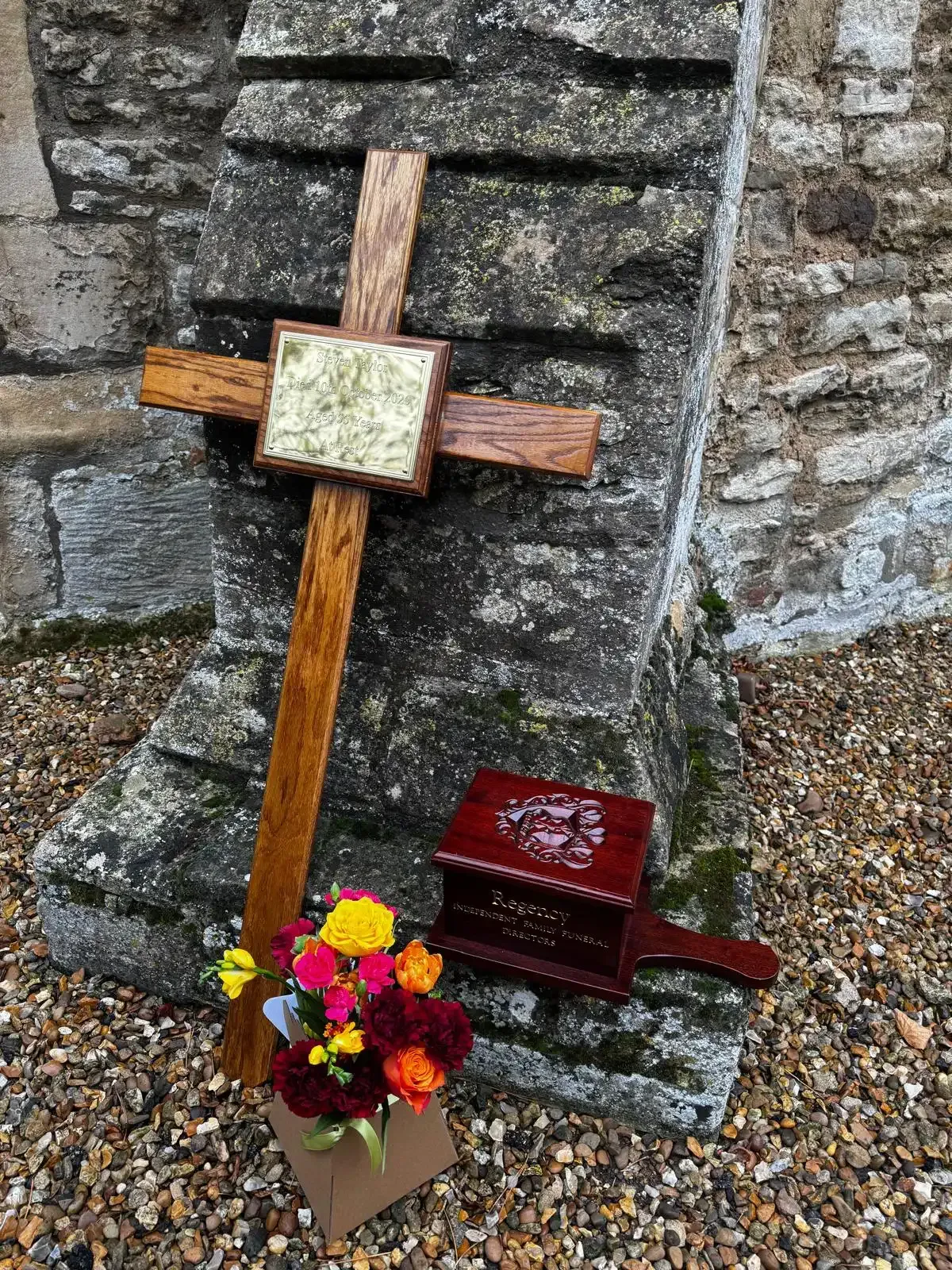
After a death, there may be financial and legal matters to consider, including probate and estate administration. While we do not provide legal advice, we can signpost you to trusted professionals and help you understand what usually happens next.
You may also wish to explore:
Practical matters can feel overwhelming. We are here to help you take one step at a time.
Estate and Practical Matters
Grief affects everyone differently. There is no “right” way to feel. Some families find comfort in planning a meaningful farewell; others need quiet reassurance and space.
As a family-run funeral director based in Kimbolton, we believe in taking time to listen. From your first call to the day of the service and beyond, our role is to ensure you feel supported, informed and cared for.
If you need immediate assistance, please call us day or night on
01480 759 408.
Support Beyond the Practicalities
Our After a Loss Guide
For families who prefer to read through everything in a brochure format, our full After a Loss guide can be viewed below.
Frequently Asked Questions
What should I do first when someone dies at home?
If someone dies at home and the death was expected, contact the deceased’s GP or NHS 111 if out of hours. A medical professional will confirm the death and arrange for the Medical Certificate of Cause of Death. Once this has been issued, you can contact us and we will guide you through the next steps, including transferring your loved one into our care. If the death was unexpected, you should call 999 immediately. We understand this can feel frightening and overwhelming — you will not be expected to manage everything alone.
How long do you have to register a death?
In England, a death should usually be registered within five days. However, if the Coroner is involved, registration may be delayed until investigations are complete. The medical examiner’s office will notify you when you are able to book an appointment with the Registrar. If you are unsure whether registration can proceed, we will help clarify the position and guide you appropriately.
Who can register a death?
A death can usually be registered by a close relative, someone present at the death, or the person arranging the funeral. The Registrar may advise if another individual is more appropriate in certain circumstances. If you are uncertain who should attend the appointment, we are happy to discuss your specific situation in confidence.
What is the Green Form?
The Green Form is the Certificate for Burial or Cremation issued by the Registrar after registration. This document allows funeral arrangements to proceed. If a Coroner is involved, they may issue alternative documentation. We will ensure that all required paperwork is in place before the funeral takes place.
What is Tell Us Once?
Tell Us Once is a government service that notifies multiple government departments of a death at the same time. It reduces the need to contact each organisation separately and can ease the administrative burden. The Registrar provides access details during your appointment.
Let our Family be there for your Family

Let Our Family Guide You Through Loss
We have many years’ experience in providing bespoke funerals tailored to your needs, please feel free to contact us with any questions or requests.